
Home repairs can be expensive. A leaking roof, broken plumbing, damaged foundation, or outdated electrical wiring can cost thousands of dollars to fix. Many homeowners struggle to afford these repairs, especially seniors, low-income families, veterans, and disabled homeowners.
To help homeowners keep their homes safe and livable, the government and nonprofit organizations offer home repair grants and housing repair assistance programs. These programs provide financial help for home repairs, allowing homeowners to fix critical issues without taking on heavy debt.
In 2026, many federal housing repair grants, state housing repair programs, and nonprofit housing assistance programs are available. Some programs provide free home repair grants, while others offer forgivable loans or financial assistance for home improvement projects.
This complete guide explains everything you need to know about home repair grants in 2026, including:
What home repair grants are
The different types of housing repair assistance programs
Federal and state government repair grant programs
Eligibility requirements for homeowners
How to apply for government home repair grants
By the end of this guide, you will understand how to find and apply for home repair grants that can help pay for roof repairs, plumbing repairs, electrical upgrades, accessibility improvements, and more.

Key Statistics About Home Repairs in the United States
Home repair costs and housing conditions have become a major concern for millions of homeowners. Several national studies highlight the growing need for home repair grants and housing repair assistance programs.
More than 6.45 million homes in the United States are considered inadequate, meaning they have serious problems such as structural damage, plumbing issues, or electrical hazards.
Research from housing experts shows that over 38 million U.S. homes require major repairs, including roofing, plumbing systems, or electrical upgrades.
The median age of owner-occupied homes in the United States is about 40 years, which increases the likelihood of costly repairs and system replacements.
Nearly 60% of homeowners delay necessary repairs because they cannot afford them, showing how financial barriers prevent many families from fixing important housing problems.
Surveys show that 46% of homeowners spend more than $5,000 on unexpected home repairs, highlighting the financial burden of sudden housing emergencies.
On average, homeowners spend over $2,400 per year on routine maintenance and about $1,600 on emergency repairs.
These statistics show why government home repair grants, housing rehabilitation programs, and nonprofit repair assistance are so important. Without financial support, many homeowners would struggle to maintain safe and livable homes.
What Are Home Repair Grants?
Home repair grants are financial assistance programs that help homeowners pay for repairs, renovations, and safety improvements.
These grants are usually offered by:
Federal government agencies
State housing departments
Local community development offices
Nonprofit housing organizations
Unlike loans, home repair grants do not need to be repaid as long as the homeowner follows the program requirements.
These programs are designed to help homeowners:
Repair unsafe housing conditions
Improve energy efficiency
Make homes accessible for seniors and disabled individuals
Restore homes damaged by storms or disasters
Many government home repair assistance programs focus on helping low-income homeowners, elderly homeowners, and veterans maintain safe housing.
Definition of Home Repair Grants
A home repair grant is a form of financial assistance that covers the cost of repairing or improving a home.
The funding may be used for:
Plumbing system repairs
Electrical upgrades
Foundation repair
Accessibility modifications
Most housing repair grants are provided to homeowners who cannot afford necessary repairs but need them to keep their homes safe and livable.
These programs are part of larger government housing assistance programs that aim to improve housing quality and prevent unsafe living conditions.
How Grants Differ From Home Repair Loans
Many homeowners confuse home repair grants with home repair loans.
However, there are important differences.
Home Repair Grants
Home repair grants are free financial assistance that does not need to be repaid.
These grants are often targeted toward:
Low-income homeowners
Seniors aged 62 and older
Disabled homeowners
Veterans
Families living in rural areas
The goal of these grants is to ensure that people can maintain safe housing even if they cannot afford major repairs.
Home Repair Loans
Home repair loans are funds that must be repaid over time, usually with interest.
However, some government programs offer low-interest or forgivable home repair loans, which are easier to manage than traditional loans.
Examples include:
Housing rehabilitation loans
Energy efficiency improvement loans
Forgivable housing repair loans
Many homeowners apply for grants first because they provide free home repair assistance.
Why Governments Offer Home Repair Assistance
Governments provide housing repair grants and home improvement assistance programs for several important reasons.
Prevent Unsafe Housing
Old homes can develop serious problems, including:
Roof leaks
Faulty wiring
Plumbing failures
Structural damage
Repair grants help prevent these problems from turning into dangerous living conditions.
Protect Communities
When homes fall into disrepair, entire neighborhoods can decline.
Government housing repair assistance programs help maintain safe and stable communities.
Support Vulnerable Homeowners
Some homeowners are more vulnerable to housing problems, including:
Seniors living on fixed incomes
Disabled individuals
Veterans
Low-income families
Home repair grants help these groups stay in their homes safely.
Improve Energy Efficiency
Many programs support energy-efficient home improvements, such as:
Insulation upgrades
Energy-efficient windows
HVAC system replacements
These upgrades reduce energy costs and improve environmental sustainability.
Types of Repairs These Grants Usually Cover
Most government home repair grants cover essential repairs that improve safety, health, and energy efficiency.
Common repairs include:
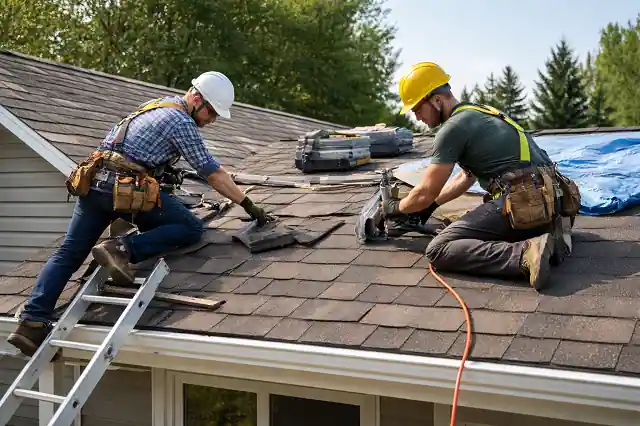
Roof Repairs and Roof Replacement
Roof damage is one of the most common issues homeowners face.
Many housing repair programs provide grants for:
Fixing roof leaks
Replacing damaged shingles
Installing new roofing systems
These repairs prevent water damage and structural deterioration.
Related Guide: Free Roof Replacement Grants Available to Low-Income Homeowners
Plumbing Repairs
Plumbing problems can lead to:
Water leaks
Mold growth
Structural damage
Some home repair assistance programs cover plumbing repairs, pipe replacement, and water system upgrades.
Related Guide: Free Grants to Fix Hidden Bathroom Leaks Behind Walls
Electrical System Upgrades
Outdated electrical systems can cause fires and other safety hazards.
Repair grants may cover:
Electrical panel upgrades
Wiring replacement
Circuit breaker repairs
These improvements ensure that homes meet modern safety standards.
Heating and Cooling Repairs
A functioning HVAC system is essential for safe and comfortable housing.
Many housing repair grants cover:
Furnace repairs
Air conditioning replacement
Accessibility Modifications
Accessibility improvements help seniors and disabled homeowners live independently.
Common modifications include:
Wheelchair ramps
Bathroom grab bars
Stair lifts
Accessible doorways
These upgrades are often funded through accessibility home repair grants.
Why Home Repair Grants Are Important for Homeowners
Home repair grants play a crucial role in helping homeowners maintain safe, livable housing.
Without these programs, many homeowners would struggle to afford necessary repairs.
Rising Cost of Home Repairs in 2026
Home repair costs have increased significantly in recent years.
Several factors contribute to rising costs:
Higher construction material prices
Increased labor costs
Supply chain disruptions
Aging housing infrastructure
For example:
Roof replacement can cost $8,000 to $20,000
Foundation repairs may cost $5,000 to $15,000
HVAC replacement may cost $6,000 to $12,000
For many homeowners, these costs are difficult to afford.
Related Guide: Free Home Repair Grants Assistance For Disabled Homeowners
Home repair grants provide financial relief, allowing homeowners to fix problems without taking on large debts.
Safety and Structural Repair Needs
Many homes across the country require major repairs.
Common issues include:
Structural damage
Electrical hazards
Plumbing leaks
Roof deterioration
If these problems are not fixed, they can lead to serious safety risks.
Related Guide: Structural Foundation Repair and Replacement Grants For Homeowners
Government housing repair assistance programs help homeowners address these issues before they become dangerous.
Supporting Low-Income and Vulnerable Homeowners
Low-income homeowners often struggle to maintain their homes because of limited financial resources.
Home repair grants help these families:
Maintain safe housing
Avoid displacement
Prevent homelessness
Programs are often targeted toward:
Seniors
Veterans
Disabled homeowners
Single-parent households
These programs ensure that vulnerable homeowners can remain safely housed.
Improving Energy Efficiency and Housing Quality
Many housing repair grants also focus on energy efficiency improvements.
Energy-efficient upgrades may include:
Insulation installation
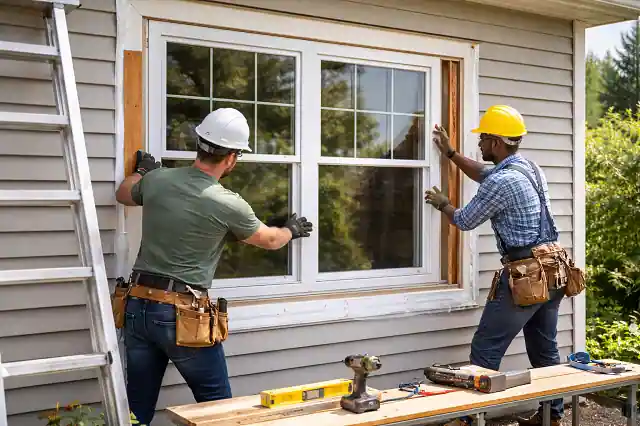
Energy-efficient windows
High-efficiency heating systems
Smart thermostats
These improvements reduce energy consumption and lower utility bills.
Related Guide: Homeowners’ Grants For Heating and Air Conditioning Improvement
In addition, energy upgrades improve overall housing quality and environmental sustainability.
Home Repair Grants Available in 2026
In 2026, homeowners may qualify for several types of government housing repair grants and financial assistance programs.
Understanding these options helps homeowners find the right funding sources.
Federal Home Repair Grants
Federal housing programs provide some of the largest sources of home repair funding.
These programs are funded by national government agencies and administered through state and local partners.
Examples include:
USDA home repair grants
HUD housing repair assistance programs
Weatherization Assistance Program (WAP)
Disaster recovery housing grants
These programs support homeowners across the country.
State-Level Home Repair Assistance Programs
Many states operate their own housing repair grant programs.
These programs are often funded through:
State housing agencies
Housing trust funds
Community development programs
State programs may offer grants for:
Roof repairs
Structural rehabilitation
Accessibility improvements
Energy-efficient home upgrades
State housing departments typically manage these programs.
Local Government Repair Grants
Local governments also provide housing repair assistance.
These programs are usually administered by:
City housing departments
County housing offices
Community development agencies
Local grants often focus on improving housing in specific neighborhoods.
They may cover repairs such as:
Roof replacement
Electrical upgrades
Plumbing repairs
Accessibility modifications
Nonprofit and Community Housing Grants
Nonprofit organizations play an important role in providing housing repair assistance.
These organizations work with communities to improve housing conditions.
Nonprofit programs may offer:
Free home repair assistance
Volunteer-based repair services
Housing rehabilitation grants
Many nonprofit organizations partner with government agencies to deliver repair programs.
Emergency Disaster Repair Grants
Natural disasters can cause severe damage to homes.
Emergency housing repair grants help homeowners recover after disasters such as:
Hurricanes
Floods
Tornadoes
Wildfires
These programs provide funding for:
Structural repairs
Roof replacement
Water damage restoration
Electrical system repairs
Disaster repair assistance helps communities rebuild quickly.
Federal Home Repair Grant Programs in 2026
Federal programs provide some of the largest sources of financial assistance for home repairs in the United States. These programs are funded by federal agencies but often managed by state housing agencies, local governments, and nonprofit organizations.
Federal home repair grants and housing rehabilitation programs help homeowners repair unsafe homes, improve accessibility, and increase energy efficiency.
Below are some of the most important federal home repair assistance programs available in 2026.
USDA Section 504 Home Repair Grants
One of the most well-known government home repair grants is the USDA Section 504 Home Repair Program.
This program helps low-income homeowners living in rural areas repair and improve their homes.
The program provides:
Home repair grants up to $10,000
Low-interest repair loans up to $40,000
Grants are usually reserved for elderly homeowners aged 62 or older who cannot afford to repay loans.
Related Guide: Section 504 Home Repair Grants and Loans For Senior Citizens
Funds may be used for:
Roof repair or replacement
Electrical upgrades
Plumbing repairs
Heating system repairs
Accessibility modifications
The goal of this program is to remove health and safety hazards from homes in rural communities.
HUD Home Improvement Assistance Programs
The U.S. Department of Housing and Urban Development (HUD) funds many housing repair assistance programs.
HUD programs support local governments and community organizations that provide home improvement grants and housing rehabilitation funding.
These programs may help homeowners pay for:
Structural repairs
Roof replacement
Plumbing upgrades
Electrical system repairs
Accessibility improvements
Many HUD-funded programs operate through Community Development Block Grants (CDBG) and HOME Investment Partnership Programs.
Local governments often use these funds to support housing rehabilitation grants for low-income homeowners.
Weatherization Assistance Program (WAP)
The Weatherization Assistance Program is designed to help homeowners improve energy efficiency and reduce utility costs.
The program focuses on improving the energy performance of homes through repairs and upgrades.
Common improvements include:
Insulation installation
Air sealing
HVAC system upgrades
Energy-efficient window replacement
Ventilation improvements
This program helps low-income households reduce energy bills while improving home safety and comfort.
Weatherization assistance is particularly helpful for homeowners who struggle with high heating or cooling costs.
FEMA Home Repair Grants After Disasters
The Federal Emergency Management Agency (FEMA) provides home repair grants after natural disasters.
These grants help homeowners repair damage caused by:
Hurricanes
Floods
Tornadoes
Wildfires
Severe storms
FEMA assistance may cover:
Structural repairs
Roof replacement
Electrical repairs
Plumbing repairs
Temporary housing support
Disaster repair grants help homeowners restore safe housing quickly after emergencies.
VA Home Modification Grants for Veterans
Veterans who have service-related disabilities may qualify for home modification grants through the Department of Veterans Affairs (VA).
These grants help veterans modify their homes to improve accessibility and safety.
Programs include:
Specially Adapted Housing (SAH) Grants
Special Housing Adaptation (SHA) Grants
Home Improvements and Structural Alterations (HISA) Grants
These grants can fund improvements such as:
Wheelchair ramps
Accessible bathrooms
Widened doorways
Stair lifts
Bathroom accessibility upgrades
These programs allow disabled veterans to live independently in safe and accessible homes.
Home Repair Grants for Low-Income Homeowners
Many housing repair programs are designed specifically for low-income homeowners who cannot afford essential home repairs.
These programs help homeowners maintain safe housing without taking on heavy debt.
Income Eligibility Requirements
Most government home repair grants require applicants to meet income eligibility limits.
Eligibility is usually based on area median income (AMI).
Many programs require homeowners to earn:
Below 50% of area median income
Below 80% of area median income
Income limits may vary depending on:
Household size
Location
Program funding requirements
Homeowners must usually provide proof of income, such as tax returns or pay stubs.
Programs Designed for Low-Income Families
Many housing repair programs focus on helping low-income families maintain safe housing.
These programs often provide funding for:
Critical structural repairs
Roof replacement
Plumbing and electrical repairs
Heating and cooling system upgrades
Some programs also support energy-efficient home improvements, which reduce monthly utility costs.
Housing Rehabilitation Grants
Housing rehabilitation grants help restore older homes that need major repairs.
These programs often focus on improving:
Structural stability
Electrical safety
Plumbing systems
Roofing systems
Housing rehabilitation programs may be funded by state governments, federal grants, or nonprofit housing organizations.
These programs help preserve housing stock and prevent neighborhood decline.
Community Development Block Grant (CDBG) Programs
The Community Development Block Grant (CDBG) program is one of the most important sources of housing repair funding in the United States.
CDBG funds are distributed to cities and counties to support community development projects.
Local governments use these funds for:
Housing rehabilitation grants
Emergency home repair programs
Accessibility improvements
Neighborhood revitalization projects
Many local home repair grant programs are funded through CDBG.
Home Repair Grants for Seniors in 2026
Senior homeowners often face financial challenges when maintaining their homes.
Many seniors live on fixed retirement incomes, making major repairs difficult to afford.
Because of this, many housing assistance programs provide home repair grants specifically for elderly homeowners.
Programs Designed for Elderly Homeowners
Several housing repair programs prioritize senior homeowners aged 62 and older.
Examples include:
USDA Section 504 Home Repair Grants
State housing rehabilitation grants
Local senior home repair assistance programs
These programs help seniors maintain safe and livable housing.
Accessibility and Safety Repair Grants
Safety is a major concern for elderly homeowners.
Many repair grants support improvements that reduce injury risks.
These upgrades may include:
Installing grab bars in bathrooms
Improving lighting systems
Repairing stairs and railings
Installing non-slip flooring
These modifications help seniors live safely in their homes.
Grants for Aging-in-Place Home Improvements
Many seniors prefer to age in place, meaning they want to remain in their homes as they grow older.
Home repair grants help seniors modify their homes to support independent living.
Common improvements include:
Wheelchair ramps
Walk-in showers
Stair lifts
Accessible doorways
These upgrades make homes safer and more accessible.
Special Funding for Senior Housing Repairs
Some programs provide additional funding specifically for senior homeowners.
These programs may prioritize seniors who:
Have a limited income
Live alone
Have mobility limitations
Live in older homes requiring repairs
Senior housing repair programs help ensure that elderly homeowners can remain safely housed.
Related Guide: Top Government & Nonprofit Grants For Senior Home Repairs
Home Repair Grants for Veterans
Veterans may qualify for several housing repair grants and home improvement assistance programs.
These programs support veterans who need help repairing or modifying their homes.
Related Guide: Free Home Repair and Improvement Grants for Veterans
VA Specially Adapted Housing Grants
The Specially Adapted Housing (SAH) Grant helps veterans with service-connected disabilities modify their homes.
The grant can fund improvements such as:
Wheelchair ramps
Wider doorways
Accessible bathrooms
Structural home modifications
These changes help disabled veterans live independently.
Related Guide: VA Home Repair Grants Programs For Low-Income Veterans
Home Improvements and Structural Alterations (HISA) Grants
The HISA Grant Program helps veterans make medically necessary home improvements.
These grants can fund:
Bathroom accessibility upgrades
Entrance modifications
Structural alterations
These improvements help veterans live comfortably and safely in their homes.
Veteran Housing Repair Assistance Programs
Many states offer housing repair assistance programs specifically for veterans.
These programs may provide grants for:
Roof repair
Plumbing repairs
Electrical upgrades
Structural repairs
Veterans may also qualify for assistance through nonprofit veteran housing organizations.
Accessibility Grants for Disabled Veterans
Disabled veterans often require specialized home modifications.
Accessibility grants may fund improvements such as:
Stair lifts
Accessible kitchens
Bathroom modifications
Smart home accessibility technology
These improvements help veterans maintain independence and improve their quality of life.
Home Repair Grants for Disabled Homeowners
Disabled homeowners may qualify for special housing repair assistance programs designed to improve accessibility and safety.
Accessibility Improvement Grants
Accessibility grants help disabled homeowners make their homes easier to navigate.
Common improvements include:
Ramp installation
Door widening
Accessible flooring
Bathroom accessibility upgrades
These changes help homeowners move safely throughout their homes.
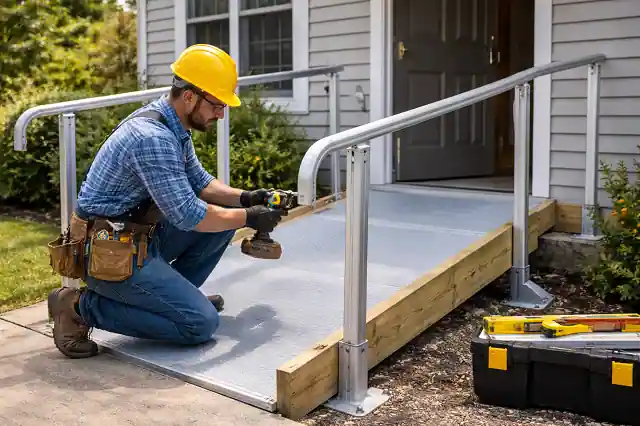
Grants for Wheelchair Ramps and Home Modifications
Wheelchair ramps are one of the most common accessibility improvements funded by home repair grants.
Related Guide: Free Bathroom Renovation Grants For Low-Income Disabled Homeowners
These ramps allow individuals using mobility devices to enter and exit their homes safely.
Many programs cover:
Ramp construction
Handrail installation
Entryway modifications
Bathroom and Kitchen Accessibility Upgrades
Bathrooms and kitchens often require modifications for accessibility.
Repair grants may fund:
Walk-in bathtubs
Roll-in showers
Adjustable countertops
Accessible sinks
These upgrades make daily living activities easier.
Programs Supporting Independent Living
Many housing assistance programs focus on helping disabled individuals live independently in their homes.
These programs fund modifications that improve safety, mobility, and comfort.
Accessibility improvements are a major priority in modern housing repair assistance programs.
Home Repair Grants for Single Mothers and Families
Single mothers and low-income families may struggle to afford necessary home repairs.
Housing repair programs help these families maintain safe homes.
Housing Assistance Programs for Single Parents
Several housing programs prioritize single-parent households.
These programs help families repair homes affected by:
Roof leaks
Plumbing failures
Electrical problems
Providing safe housing helps improve family stability.
Grants for Safe and Affordable Housing Repairs
Programs for families often focus on health and safety improvements.
Common repairs include:
Roof replacement
Electrical repairs
Plumbing upgrades
Structural improvements
These repairs ensure that homes remain safe for children.
Community Support Programs for Families
Community housing organizations often provide repair assistance for families with limited income.
Some programs rely on:
Volunteer labor
Nonprofit funding
Community development grants
These programs improve housing conditions for vulnerable families.
Local Housing Assistance Options
Local housing agencies may offer home repair grants designed for low-income families and single mothers.
These programs vary by city and county but may include:
Emergency home repair grants
Housing rehabilitation programs
Energy efficiency improvement grants
Local programs are often easier to access than national programs.
Emergency Home Repair Grants
Emergency home repair grants help homeowners fix urgent housing problems that threaten safety or livability. These programs provide rapid financial assistance for critical home repairs, especially after disasters or sudden system failures.
Many federal, state, and local programs provide emergency housing repair assistance for homeowners who cannot afford urgent repairs.
Grants for Storm and Disaster Damage
Severe weather can cause major housing damage, including:
Roof destruction from high winds
Flood damage to floors and walls
Broken windows and doors
Structural damage from fallen trees
Emergency housing repair grants help homeowners restore safe living conditions after storms or disasters.
Funding may come from:
Disaster recovery programs
State emergency housing funds
Local housing repair assistance programs
These programs help communities rebuild quickly.
Emergency Roof Repair Assistance
Roof damage is one of the most common emergency repairs.
A damaged roof can lead to:
Water leaks
Mold growth
Structural damage
Many home repair grant programs provide funding for:
Temporary roof tarping
Roof leak repairs
Roof replacement for severely damaged homes
Fixing roof problems quickly helps prevent further damage to the home.
Grants for Plumbing, Electrical, and Structural Emergencies
Emergency repairs often involve critical home systems.
Plumbing Emergencies
Burst pipes
Major water leaks
Sewer system failures
Electrical Emergencies
Faulty wiring
Electrical panel failures
Fire hazards
Structural Emergencies
Foundation cracks
Collapsing walls
Unsafe staircases
Emergency housing repair grants help homeowners repair these issues quickly and safely.
Rapid Response Housing Repair Programs
Some communities operate rapid-response home repair programs that provide immediate assistance.
These programs may include:
Emergency repair grants
Volunteer repair teams
Fast housing inspections
Rapid-response programs help prevent small housing issues from becoming major problems.
Types of Home Repairs Covered by Grants
Home repair grants usually fund essential repairs that improve safety, structural stability, and energy efficiency.
Roof Replacement and Roof Repairs
Roof repairs are among the most common projects funded by government home repair grants.
Programs may cover:
Roof leak repairs
Shingle replacement
Full roof replacement
Roof repairs protect homes from water damage and structural deterioration.
Plumbing and Water System Repairs
Plumbing issues can cause serious damage if not repaired quickly.
Grants may cover:
Pipe replacement
Water heater repair or replacement
Sewer system repairs
These repairs help maintain safe sanitation and prevent water damage.
Electrical System Upgrades
Older homes often have outdated electrical systems that create safety hazards.
Housing repair grants may fund:
Electrical panel upgrades
Wiring replacement
Circuit breaker installation
These improvements reduce fire risks and improve home safety.
Window and Door Replacement
Some programs provide home improvement grants for energy-efficient window replacement and door upgrades.
Replacing outdated windows and doors can:
Improve energy efficiency
Reduce heating and cooling costs
Increase home comfort
Energy efficiency improvements are becoming a major focus of housing repair assistance programs in 2026.
Heating and Cooling System Repairs
HVAC systems are essential for safe and comfortable living conditions.
Repair grants may cover:
Furnace replacement
Air conditioning repairs
Heat pump installation
These upgrades help maintain safe indoor temperatures.
Foundation and Structural Repairs
Structural damage is one of the most expensive home repair issues.
Housing rehabilitation grants may fund:
Foundation stabilization
Wall reinforcement
Structural beam repairs
These repairs ensure homes remain safe and stable.
Accessibility and Safety Modifications
Accessibility upgrades help seniors and disabled homeowners live independently.
Common improvements include:
Wheelchair ramps
Stair lifts
Bathroom grab bars
Walk-in bathtubs
Accessibility improvements are an important part of many home repair grant programs.
Who Qualifies for Home Repair Grants in 2026
Eligibility requirements vary by program, but most government home repair assistance programs consider several factors.
Income and Financial Eligibility
Most programs target low-income homeowners.
Applicants usually must earn below a specific percentage of the area median income (AMI).
Income limits depend on:
Household size
Local housing costs
Program guidelines
Applicants must provide proof of income, such as tax returns or pay stubs
Homeownership Requirements
Home repair grants are usually available only to homeowners, not renters.
Applicants must prove they own and occupy the property as their primary residence
Property Location Requirements
Some housing repair programs are limited to specific locations, such as:
Rural housing programs
State housing repair grants
City housing rehabilitation programs
These restrictions help target communities with the greatest housing needs.
Age and Disability Eligibility Criteria
Some programs prioritize vulnerable homeowners, including:
Seniors aged 62 or older
Disabled homeowners
Veterans with service-connected disabilities
These programs help ensure safe housing for those who need assistance the most.
How to Apply for Home Repair Grants in 2026
- Check your eligibility based on income, age, and homeownership status
- Identify the right home repair grant programs for your needs
- Gather required documents such as income proof and property details
- Contact local housing agencies or nonprofit organizations
- Submit your application through official program websites or offices
- Wait for application review and approval confirmation
- Receive funding and begin your home repair project
Documents Needed for Home Repair Grant Applications
Preparing documents in advance can speed up the application process.
Proof of Income
Applicants may need:
Tax returns
Pay stubs
Social Security statements
Property Ownership Documents
Examples include:
Property deeds
Mortgage statements
Property tax records
Repair Estimates and Contractor Quotes
Some programs require repair estimates from licensed contractors to determine funding needs.
Identification and Residency Documents
Applicants may need to provide:
Government-issued ID
Utility bills
Proof of residence
Common Mistakes to Avoid When Applying for Home Repair Grants
Applying Without Checking Eligibility
Always review program guidelines before applying.
Submitting Incomplete Applications
Incomplete applications are a common reason for rejection.
Missing Deadlines
Many grant programs have limited funding windows. Applying early improves approval chances.
Ignoring Local Grant Opportunities
Local housing repair programs often provide additional funding options that homeowners overlook.
Tips to Increase Your Chances of Getting a Home Repair Grant
Apply to Multiple Programs
Different programs fund different types of repairs, so applying to several programs improves your chances.
Work With Local Housing Agencies
Local agencies often help homeowners find programs and complete applications.
Prepare Detailed Repair Plans
Providing clear repair estimates strengthens grant applications.
Maintain Organized Documentation
Keeping documents ready helps prevent delays during the approval process.
Additional Financial Assistance for Home Repairs
If grants are not available, homeowners may consider other financial assistance options.
Home Repair Loans With Low Interest
Government programs sometimes offer low-interest home repair loans for essential repairs.
Forgivable Housing Loans
Some programs provide forgivable loans that may not need repayment if requirements are met.
Energy Efficiency Rebates and Incentives
Energy programs may offer rebates for:
Energy-efficient windows
HVAC upgrades
Insulation improvements
Nonprofit Housing Repair Programs
Nonprofit organizations often provide:
Volunteer home repair services
Housing rehabilitation programs
Community repair assistance
How to Find Home Repair Grants in Your State
Homeowners can locate programs through state and local housing resources.
State Housing Agencies
State housing departments manage many housing repair assistance programs.
Local Community Development Offices
City and county governments often operate housing repair programs funded by federal grants.
Nonprofit Housing Organizations
Community organizations and housing charities may offer repair assistance programs.
Online Government Grant Databases
Online databases help homeowners locate available housing repair grants and eligibility guidelines.
Future Trends in Home Repair Grants (2026 and Beyond)
Housing repair programs continue to evolve.
Increasing Federal Housing Repair Funding
Governments are expanding funding for housing rehabilitation and repair programs.
Growth of Energy Efficiency Repair Grants
Future programs may prioritize:
Energy-efficient windows
Solar energy systems
Smart home technology
Smart Home Accessibility Programs
New programs may support technology-based accessibility solutions such as automated safety systems.
Disaster Resilience Housing Programs
Future grants may fund improvements that protect homes from disasters, including:
Hurricane-resistant roofs
Flood-resistant upgrades
Fire-resistant building materials
Frequently Asked Questions About Home Repair Grants
Are home repair grants really free?
Most home repair grants do not need to be repaid as long as program requirements are met.
How long does approval take?
Approval timelines vary but usually range from a few weeks to several months.
Can renters apply for home repair grants?
Most programs are for homeowners, though renters may benefit through landlord participation.
Can multiple grants be used for one project?
In some cases, homeowners may combine funding from several programs to cover repair costs.
Why This Guide Is Trusted by Homeowners (Updated & Reviewed)
Last Updated: April 25, 2026
Reviewed By: Housing Assistance & Home Improvement Research Team
- Built on Real Homeowner Experience: This guide reflects real challenges homeowners face, including roof leaks, plumbing failures, electrical hazards, and high repair costs.
- Backed by Verified Government Programs: All information is based on official federal housing programs, state assistance initiatives, and nonprofit repair funding sources.
- Optimized for AI and Search Trust: Structured content, schema integration, and fact-based explanations help Google and AI systems recognize this page as a reliable source.
- Continuously Updated for 2026: This article is regularly reviewed to include the latest home repair grants, eligibility rules, and funding updates.
- Clear, Safe, and Actionable Guidance: Written in simple language so homeowners can confidently understand their options and take the right steps.
Final Thoughts on Home Repair Grants in 2026
Home repair grants help homeowners maintain safe and stable housing by providing financial assistance for essential repairs.
Programs may cover roof repair, plumbing upgrades, accessibility improvements, energy-efficient upgrades, and structural repairs.
By researching programs, preparing documents, and applying to multiple funding sources, homeowners can increase their chances of receiving assistance.