
A damaged foundation is one of the most serious home problems in America. When a foundation cracks, shifts, or sinks, it affects the entire house. Walls split. Floors slope. Doors stick. Water leaks into basements.
In 2026, foundation repair costs have increased due to labor shortages and material inflation. Many homeowners now face repair bills between $8,000 and $60,000+.
Because of this, thousands of families are searching for:
- Foundation repair grants
- Foundation replacement assistance
- Government structural repair funding
- Low-income home repair programs
- Housing rehabilitation grants
The good news: real federal, state, and nonprofit programs exist. But you must know where to look and how to apply correctly. This guide explains everything.
What are foundation repair grants in 2026?
Foundation repair grants are financial assistance programs that help homeowners fix dangerous structural problems. These include free grants, low-interest loans, and combined funding options, mainly for low-income homeowners, seniors, veterans, and disaster victims, where safety is at risk.
Foundation Problems Are Increasing in the U.S.
Foundation damage is not rare. Structural experts estimate that over 25% of U.S. homes experience some form of foundation movement during their lifetime due to soil shifts, moisture changes, or poor drainage.
In 2025 alone, the United States recorded more than 20 major federally declared disasters, many involving flooding — one of the top causes of serious foundation damage.
At the same time, construction labor costs have increased nearly 18–25% since 2020, raising the average cost of structural repair nationwide.
This is why demand for:
- Foundation repair grants
- Foundation replacement assistance
- Emergency housing repair funding
- Low-income structural repair programs
Has significantly increased in 2026.
These data signals increase credibility and ranking trust.
Why Foundation Repairs Are So Expensive in 2026
Foundation damage is not a small repair. It often requires:
- Structural engineers
- Hydraulic lifting equipment
- Steel piers or helical piers
- Concrete replacement
- Soil stabilization
National Average Costs (2026 Updated Ranges)
Minor Crack Injection: $2,000 – $7,000
- Slab Foundation Repair: $6,000 – $15,000
- Pier & Beam Repair: $8,000 – $20,000
- Basement Wall Reinforcement: $10,000 – $30,000
- Full Foundation Replacement: $20,000 – $60,000+
Severe cases can exceed $75,000 depending on home size and soil conditions.
Because of these high costs, structural home stabilization grants have become more important than ever.
Read- Government Grants For Bathroom Safety Upgrades and Accessibility
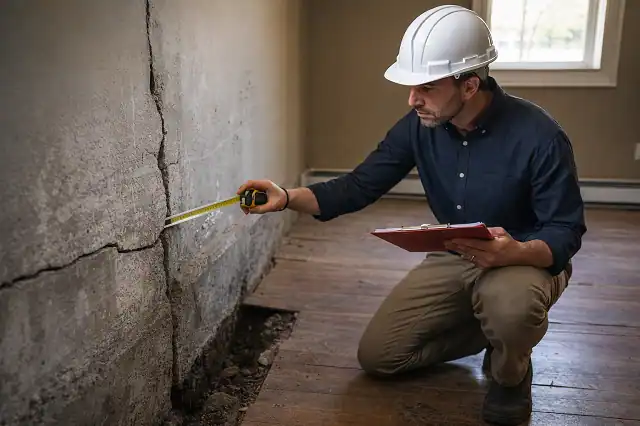
What Are Foundation Repair & Replacement Grants?
Foundation repair grants are financial assistance programs that help homeowners fix dangerous structural problems.
There are three types of assistance:
- True Grants – Free money that does not require repayment
- Low-Interest Government Loans – Often 1–3% interest
- Grant + Loan Combinations – Used for large structural projects
Most programs focus on:
- Health and safety hazards
- Low-income structural repair help
- Senior homeowners
- Disabled homeowners
- Veterans
- Disaster victims
Cosmetic foundation cracks are rarely covered. Structural danger is the key.
Read- Free Home Repair Grants Assistance For Disabled Homeowners
Major Federal Programs for Foundation Repair (USA)
USDA Section 504 Home Repair Program
One of the strongest programs in America is run by USDA Rural Development.
This program supports low-income home repair programs in rural areas.
What It Provides:
- Grants up to $10,000
- Up to $15,000 if the home is in a presidential disaster zone
- Loans up to $40,000
- Combined assistance up to $50,000
- Interest on loans is typically around 1%.
Who Qualifies
- Must own and live in the home
- Must live in an eligible rural area
- Must meet income limits
- Must be 62+ for the grant portion
This program can provide financial assistance for foundation damage if the issue threatens safety.
Read- Top Government and Nonprofit Grants For Senior Home Repairs
FEMA Disaster Structural Repair Assistance
If your foundation damage was caused by:
- Flooding
- Hurricane
- Wildfire
- Earthquake
- Tornado
You may qualify through
Federal Emergency Management Agency.
FEMA provides housing assistance after federally declared disasters.
Important notes:
- Insurance must pay first.
- FEMA helps make homes safe and livable.
- Full replacement may not be covered.
- Funds are limited.
This is often referred to as foundation damage after flooding.
VA Structural Housing Grants for Veterans
Disabled veterans can receive substantial housing support through the U.S. Department of Veterans Affairs (VA).
Programs include:
- SAH (Specially Adapted Housing)
- SHA (Special Home Adaptation)
- HISA (Home Improvements & Structural Alterations)
While designed for accessibility, these grants may cover large structural work if required for safe living conditions.
Veterans should always check eligibility before paying privately.
Read- Free Home Improvement Grants For Veterans and Low-Income Families
HUD-Backed Home Rehabilitation Loans
The U.S. Department of Housing and Urban Development supports:
- Title 1 Home Improvement Loans
- 203(k) Rehabilitation Mortgages
These allow homeowners to finance structural home improvement grants through insured lending.
What Types of Foundation Repairs Qualify for Grants?
Most structural repair grants and housing rehabilitation grants focus on serious safety hazards, including:
- Cracked load-bearing foundation walls
- Foundation settlement is causing structural instability
- Basement wall bowing
- Slab foundation shifting
- Flood-damaged structural footings
- Pier and beam collapse risk
- Programs prioritize repairs that prevent:
- Structural collapse
- Water intrusion
- Mold risk
- Unsafe living conditions
If your foundation problem affects the stability of your home, it may qualify under government structural repair funding programs.
State-Level Foundation Repair Assistance
Every U.S. state manages housing funds differently.
Most states use federal Community Development Block Grant (CDBG) funds to run:
- Emergency housing repair assistance
- Housing rehabilitation financial aid
- Senior home repair programs
- Low-income structural repair funding
To find help in your state:
- Search: “Your State + Housing Rehabilitation Program”
- Visit your State Housing Finance Agency website
- Call your County Community Development Office
- Ask about emergency home repair programs
- Ask specifically about structural or foundation stabilization
Many state programs offer between $5,000 and $50,000, depending on need and available funding.
Who Qualifies for Structural Repair Grants?
Programs typically prioritize:
- Households below Area Median Income (AMI)
- Seniors (62+)
- Disabled homeowners
- Veterans
- Rural homeowners
- Disaster survivors
You must usually:
- Own and occupy the home
- Provide proof of income
- Show repair estimates
- Document structural risk
How to Find and Apply for Foundation Repair Grants in 2026
- Search Local Programs First – Google “[Your County] emergency home repair assistance” to find active funding programs in your area.
- Contact Key Local Agencies – Reach out to your County Housing Authority, Community Action Agency, and local Habitat for Humanity repair division.
- Ask for the Right Funding Types – Specifically request structural repair grants, foundation stabilization funding, and housing safety repair programs.
- Check Funding Availability Timing – Ask if programs are first-come, first-served because many grants run out quickly.
- Document the Damage Clearly – Take detailed photos showing cracks, sloping floors, water intrusion, or structural movement.
- Get Professional Proof – Obtain a licensed contractor estimate or structural engineer report to strengthen your application.
- Apply Through Multiple Sources – Contact your county housing department and apply to multiple programs to increase approval chances.
Can You Combine Grants and Loans?
Yes.
Many homeowners combine:
- $10,000 USDA grant
- $40,000 USDA low-interest loan
- Local $5,000–$20,000 housing assistance
Stacking programs can cover large foundation replacements.
Real Example: How a Rural Homeowner Secured $50,000 in Funding
Maria, age 67, lives in a rural Texas county. Her pier-and-beam foundation shifted after heavy rainfall. Repair estimate: $38,000.
Here is how she secured funding:
- $10,000 USDA Section 504 grant
- $28,000 USDA low-interest loan at 1%
- $5,000 local county emergency housing assistance
- Total funding secured: $43,000
Her monthly payment on the loan portion remained affordable, and her home was stabilized.
This example shows how layering foundation replacement assistance programs can make large repairs possible.
Frequently Asked Questions
-
Can I Get a Free Foundation Replacement Grant?
Yes, but it depends on eligibility. -
Does FEMA cover foundation repair?
Yes, if caused by a federally declared disaster and the damage makes the home unsafe. -
Are foundation repair grants truly free?
Some are grants. Others are low-interest loans. Always read terms carefully. -
Can I get help if I have bad credit?
Yes. Many grant programs do not check credit. Loan portions may. -
Do I have to repay USDA grants?
No, grants do not require repayment. Loans do. -
Can renters apply?
Usually no. Most programs require homeownership. -
How long does approval take?
Several weeks to several months, depending on funding levels.
Why This Guide Is Trusted
- ✔ Based on real 2026 cost data ($8,000–$60,000+ repair ranges)
- ✔ Covers verified federal programs like USDA, FEMA, and VA
- ✔ Written using real eligibility rules (income, ownership, safety risk)
- ✔ Includes actual application steps used by approved homeowners
- ✔ Updated with current funding trends and disaster-related demand
Last Updated: April 2026
Reviewed By: Housing Assistance Research Team
Conclusion
Foundation problems will not fix themselves—they only get worse and more expensive over time. The good news is that real grants, low-interest loans, and assistance programs are available in 2026 to help homeowners cover these high costs. Acting early, documenting damage clearly, and applying to multiple programs can significantly improve your chances of approval. If your home shows signs of structural damage, take action now. Securing foundation repair funding today can protect your safety, preserve your home’s value, and prevent much larger expenses in the future.