
If you are struggling with urgent home repairs, like a leaking roof or unsafe wiring, emergency home repair grants can be lifesavers. These grants provide emergency home repair assistance funding to help homeowners fix critical issues that affect safety and habitability.
Unlike loans, grants usually do not need to be repaid, making them extremely valuable for low-income and vulnerable homeowners. This article explains how these programs work, who qualifies, typical grant amounts, how to apply, and where to find help quickly.
Quick answer: Emergency home repair grants are urgent financial assistance programs that help homeowners fix urgent issues like roof leaks, electrical hazards, and plumbing failures. These grants usually do not need to be repaid and are available to low-income homeowners, seniors, and people with disabilities. To apply, you must meet income limits, prove urgency, and submit documents like ownership proof and repair estimates.
What Are Emergency Home Repair Grants?
Emergency home repair grants are financial awards designed to provide urgent home repair funding when a home faces safety hazards or immediate risks. These grants help pay for things like roof leaks, broken electrical systems, plumbing failures, and other critical repairs that could put your family at risk.
Unlike regular home improvement programs, emergency programs focus on:
- Health and safety hazards
- Urgent repairs that cannot wait
- Keeping you in your home without financial strain
These programs are run by federal, state, and local agencies, nonprofit organizations, and community housing groups. The money typically comes from government home repair assistance programs, and eligibility often depends on income and need.
Who Can Qualify for Emergency Home Repair Assistance?
To receive emergency home repair assistance, you generally must:
- Be a homeowner, not a renter
- Live in the home as your primary residence
- Meet certain income limits
- Demonstrate that the repairs are urgent
Those most likely to qualify include:
- Low-income homeowners
- Seniors (age 62 or older)
- People with disabilities
- Households with children or fixed incomes
Income limits are typically based on a percentage of the area median income (AMI). For example, in many cities, households must earn less than 80% of the AMI to qualify for repair grants.
Read- Free Roof Replacement Grants Available For Low-Income Homeowners
Types of Emergency Home Repair Grants
Different programs offer different types of urgent home repair funding. Below are the most common:
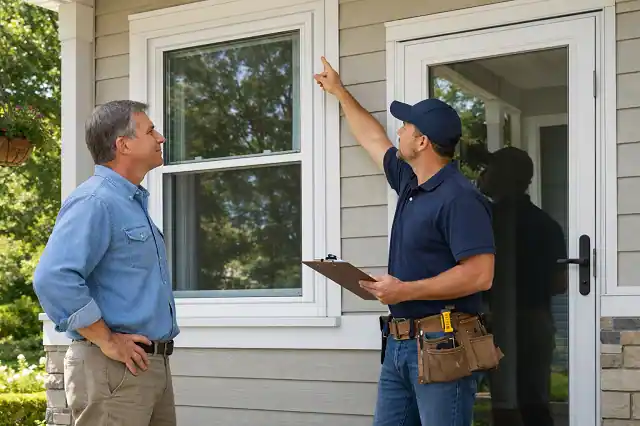
Federal Emergency Home Repair Grants
One of the main sources of emergency repair funding in the U.S. is through federal programs like the USDA’s Section 504 Home Repair Program.
USDA Section 504 Home Repair Grants
Administered by the U.S. Department of Agriculture (USDA), this program offers funding to eligible rural homeowners to remove health and safety hazards.
- Maximum grant (standard): Up to $10,000
- Disaster area grant: Up to $15,000 in presidentially declared disaster areas
- Grants can be combined with loans for a total of up to $50,000 (or $55,000 in disaster areas)
This is one of the most widely used forms of emergency home repair grants for rural and low-income homeowners.
Rural Disaster Home Repair Grants
Another USDA program helps homeowners repair disaster-related damage in rural areas.
- Typical maximum grant: up to $44,000 for disaster-related repairs
- Available for homes damaged in a presidentially declared disaster since 2022
- Must meet low-income eligibility criteria
These funds are particularly important for families whose homes were damaged by storms, floods, or other disasters.
State and Local Emergency Repair Grants
Many states and cities run their own emergency home repair programs. For example:
- Some city programs offer grants to fix broken air conditioners, heaters, or water heaters
- Local authorities may offer assistance with repairs up to a certain dollar amount, depending on funding.
- In some counties, programs have provided up to $40,000 in home repairs to qualifying residents.
State housing authorities sometimes provide up to $50,000 for critical repairs related to health, safety, or accessibility.
What Types of Repairs Are Usually Covered?
Emergency home repair funding generally covers:
Roof Repair
Urgent roof repair is one of the most common reasons homeowners seek emergency help. Unrepaired roof leaks can lead to structural damage, mold, and unsafe living conditions.
Read- Free Low-Income Roof Replacement Grants-Roofing Programs
Plumbing and Septic System Fixes
Broken pipes, leaking water heaters, and failed septic systems are typical emergencies that qualify for funding.
Electrical Repair
Unsafe wiring or electrical panels that pose fire hazards often qualify for emergency electrical repair help.
Accessibility and Safety Upgrades
For seniors or people with disabilities, repairs might include installing ramps, railings, or modifying entrances to improve safety.
Read- Government Grants For Bathroom Safety Upgrades and Accessibility
Many grant programs focus on removing health and safety hazards rather than cosmetic upgrades.
Government Emergency Home Repair Assistance Programs
There are several major government programs that provide emergency home repair assistance:
USDA Section 504 Home Repair Program
As mentioned earlier, this USDA program is one of the primary federal sources of emergency home repair grants for low-income and rural homeowners.
- Grants up to $10,000 for seniors and very low-income homeowners
- Disaster area grants up to $15,000
- Combined loan and grant options up to $50,000 or $55,000, depending on disaster status
HUD and Other Federal Programs
While the U.S. Department of Housing and Urban Development does not offer direct emergency home repair grants to most homeowners, it does run programs and partnerships that may provide funding through state or community agencies.
Disaster Assistance and Reconstruction
After major disasters, programs often open to help homeowners repair emergency damage. Federal disaster funds may not be labeled “home repair grants,” but they can include emergency home repair help as part of broader recovery efforts.
How to Apply for Emergency Home Repair Grants
- Check your eligibility including homeowner status, income limits, occupancy requirements, and need for urgent repair.
- Gather required documents such as proof of home ownership, income documentation, repair estimates, and photos of damage.
- Find the right program including federal programs, state or city programs, and nonprofit housing agencies.
- Submit your application online, by mail, or through local housing offices.
- Follow up with the program office to check status and provide additional documents if requested.
- Contact local USDA Rural Development office or housing coordinators for faster assistance.
- Act quickly because many programs are first-come, first-served.
How to Get Emergency Home Repair Help Fast
If you are facing immediate safety concerns, act quickly:
- Contact your local USDA Rural Development office
- Check with city housing rehab coordinators
- Visit disaster assistance websites after federally declared disasters
- Work with community nonprofits
Acting fast is especially important when using same-day emergency home repair financial assistance programs that work on a first-come, first-served basis.
Emergency Grants After Storm or Disaster Damage
When your home is damaged by severe weather or disasters, disaster home repair assistance may be available.
- Many USDA rural programs allow higher funding levels for disaster-related repairs
- Federal disaster relief often opens additional support
- Always check whether your county has a current disaster declaration
Common Mistakes That Delay Emergency Repair Assistance
Avoid these common errors:
- Incomplete paperwork
- Not proving the urgency of the repair
- Applying to the wrong program
- Missing income documentation
Emergency Home Repair Grants for Disabled and Senior Homeowners
Many programs prioritize:
- Seniors age 62+
- Households with disabled members
These populations often qualify for larger or specialized grants, such as the USDA Section 504 program, which targets elderly homeowners.
Read- Top Government and Nonprofit Grants For Senior Home Repairs
Emergency Home Repair Grants vs Loans
Emergency grants are often not repaid, while loans must be paid back over time. Some programs, like USDA’s Section 504, offer both grants and low-interest loans, which can be paired to cover the full cost of repairs when necessary.
Where to Find Emergency Home Repair Grants Near You
To locate programs:
- Visit your local USDA office
- Contact the city or county housing departments
- Search online for local nonprofit repair programs
- Ask community action agencies for referrals
Local programs often offer grants or low-interest financing for emergency repairs specific to your city or region.
Frequently Asked Questions
1. What are emergency home repair grants?
Emergency home repair grants are financial awards designed to provide urgent home repair funding when a home faces safety hazards or immediate risks.
2. Who qualifies for emergency home repair assistance?
You generally must be a homeowner, live in the home as your primary residence, meet certain income limits, and demonstrate that the repairs are urgent.
3. What types of repairs are covered?
Emergency home repair funding generally covers roof repair, plumbing and septic system fixes, electrical repair, and accessibility and safety upgrades.
4. Do emergency home repair grants need to be repaid?
Unlike loans, grants usually do not need to be repaid, making them extremely valuable for low-income and vulnerable homeowners.
5. How much funding can I get?
Grant amounts vary by program, but some federal programs offer up to $10,000, $15,000 in disaster areas, or higher when combined with loans.
6. How do I apply for emergency home repair grants?
You need to check your eligibility, gather required documents, find the right program, submit your application, and follow up.
7. Where can I find emergency home repair grants?
You can visit your local USDA office, contact city housing departments, search online programs, or ask community agencies.
Why This Information is Reliable and Up-To-Date
Last Updated: April, 2026 | Reviewed By: Housing Assistance Research Team | Based on Verified Government Housing Programs
- This content is based on official government housing assistance programs, including federal, state, and local emergency home repair funding sources.
- All eligibility rules, funding limits, and repair types are aligned with real program guidelines used by agencies such as USDA Rural Development and local housing authorities.
- This guide follows real application steps used by homeowners, including document requirements, approval process, and urgency verification.
- The information is structured using AI-friendly semantic formatting to match how search engines and AI systems identify trusted sources.
- This page is regularly monitored and updated to reflect the latest emergency home repair grants, funding changes, and eligibility criteria.
Conclusion: Get Emergency Home Repair Help Today
To make sure you get emergency home repair grants effectively:
- Confirm your eligibility
- Gather all documents
- Apply early
- Follow up with housing agencies
- Look for multiple funding options
Emergency repairs can be daunting, but with the right information and persistence, you can access valuable funding to keep your home safe and secure.