
Growing older brings wisdom, love, and experience. But it can also bring new challenges—especially at home. One of the most common places where seniors slip, fall, or get hurt is the bathroom. Wet floors, high tubs, and tight spaces can be risky. Because of this, many senior citizens want to upgrade their bathrooms to stay safe and independent.
In 2026, senior citizens can get special grants and financial help to make their bathrooms safer, more modern, and easier to use. These are called bathroom upgradation grants, and they are part of different home improvement programs across the U.S.
This detailed guide explains everything about these grants—what they are, who can apply, what upgrades they cover, and how seniors can apply.
Bathroom upgradation grants for senior citizens in 2026 are free financial programs that help older adults improve bathroom safety. These grants cover upgrades like walk-in showers, grab bars, non-slip flooring, and better lighting to prevent falls and support independent living. Most programs are available through federal, state, Medicaid, and nonprofit organizations, and seniors aged 60+ with low income can qualify.
What Are Bathroom Upgradation Grants for Senior citizens?
Bathroom upgradation grants for senior citizens are financial programs that help fix or improve their bathrooms so they can stay safe at home. These grants do not need to be paid back. They are not loans. They are free assistance.
The main goal is to help senior citizens:
- Reduce the risk of slipping and falling
- Move safely with walkers or wheelchairs
- Improve independence
- Stay longer in their homes
- Make bathing easier and more comfortable
Many senior citizens live on a fixed income. Paying $6,000–$15,000 for bathroom repairs can be difficult. That is why these programs exist.
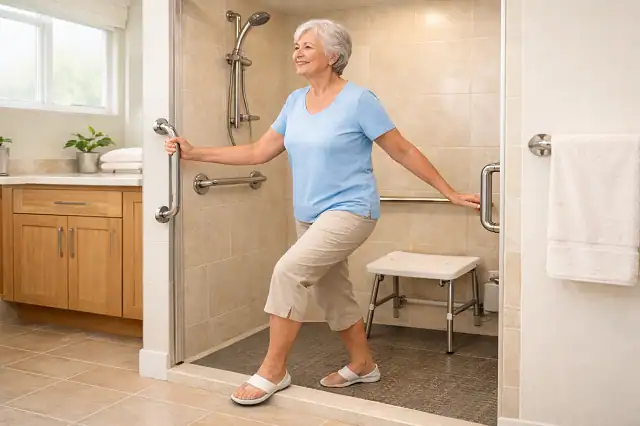
Why Bathroom Upgradations Are Important for Senior Citizens
Bathroom upgrades are not only about making the home look nice. For seniors, they are mainly about safety, comfort, and independence. Many accidents at home happen inside the bathroom because the space is wet, slippery, and hard to move around in. A few simple changes can prevent falls and make life easier.
Here are the main reasons why seniors need bathroom improvements:
Read- Top Government and Nonprofit Grants For Senior Citizens’ Home Repairs
Bathrooms Are Slippery and Risky
Bathrooms get wet very easily. Water on the floor can make seniors slip, fall, and hurt themselves. Even a small fall can cause serious injuries for older adults, such as broken bones or hip fractures. A safer bathroom can prevent these accidents.
High Bathtubs Are Hard to Step Into
Most traditional bathtubs have high sides. Senior citizens with knee pain, back pain, or low strength may find it difficult to lift their legs and get in. This increases the chance of losing balance and falling. Upgrading to a walk-in shower or walk-in tub makes bathing much easier and safer.
Mobility Problems Make Bathing Difficult
Many seniors deal with mobility challenges like:
- Arthritis
- Muscle weakness
- Reduced balance
- Slow movement
- Joint pain
These conditions make simple bathroom activities—like bending, standing, or turning—much harder. Bathroom modifications can help senior citizens move safely without straining their bodies.
Bad Lighting Can Lead to Accidents
Dim or old bathroom lights make it hard to see water on the floor, obstacles, or slippery spots. Good lighting is very important for senior citizens because vision usually becomes weaker with age. Bright LED lights or motion-sensor lights can prevent accidents and help seniors feel more confident.
Seniors Want Privacy and Independence
Most seniors do not want to depend on caregivers or family members to help them bathe. A senior-friendly bathroom gives them:
- More confidence
- More privacy
- More freedom
- A sense of dignity
Safe bathrooms help senior citizens stay independent in their own homes for longer.
What Bathroom Upgradation Are Covered by Senior Grants
Bathroom upgradation grants for senior citizens are mainly designed to improve safety, accessibility, mobility, and comfort. These programs do not usually cover luxury upgrades—they focus on changes that help senior citizens live safely at home.
Below are the most common bathroom improvements that grants can cover:
Walk-In Showers
Walk-in showers are one of the safest choices for seniors. They usually include:
- A low or zero step
- Wide entry space
- Non-slip flooring
- Easy-to-reach controls
This upgrade reduces fall risk and makes daily bathing more comfortable.
Grab Bars and Safety Rails
These are installed near:
- The toilet
- The bathtub
- The shower area
Grab bars provide extra support for standing, sitting, and moving around. They are one of the most affordable yet effective safety upgrades.
Non-Slip Flooring
Bathroom floors can become slippery even with small amounts of water. Installing non-slip tiles or vinyl flooring can reduce falls and help senior citizens feel more secure while walking.
Handheld Showerheads
These showerheads allow senior citizens to bathe comfortably while sitting. They are easy to control and reduce the need to stretch or bend.
Improved Lighting
Bathroom grants may cover:
- LED lighting
- Motion-sensor lights
- Lights around mirrors
Better lighting improves visibility and reduces accidents.
Shower Seats and Benches
These seats help seniors bathe safely without standing for too long. They prevent fatigue and reduce fall risk.
These repairs make the bathroom healthier and safer.
Bathroom Upgradation Grants for Senior Citizens 2026
Here are the main sources of grants available in 2026:
USDA Section 504 Home Repair Program
This federal program offers:
- Up to $10,000 in home repair grants for senior citizens age 62+
- Covers safety upgrades, including bathrooms
- No repayment required
Who qualifies?
- Must be age 62 or older
- Must own and live in the home
- Must have a low income
- Home must be in a rural area
HUD Home Improvement Assistance (Local Programs)
Different states and cities use HUD funds to help senior citizens upgrade bathrooms for safety.
Programs may include:
- Home improvement grants
- Safety repair programs
- Aging-in-place assistance
- Accessibility modification grants
These programs change by location, so seniors should check with local housing authorities.
State Senior Home Repair Grants
Every state offers programs for seniors. Examples include:
- Senior home modification programs
- Residential accessibility grants
- Elderly assistance programs
Most of them cover:
- Grab bars
- Walk-in showers
- Toilet upgrades
Area Agencies on Aging (AAA) Programs
Local AAA centers often offer:
- Home modification grants
- Volunteer repair services
- Senior safety programs
They specifically help seniors stay independent at home.
Medicaid Home Modification Programs
In some states, Medicaid covers bathroom Upgradation for senior citizens under:
- HCBS Waivers
- Assisted Living Waivers
- Long-Term Care Waivers
These programs can help seniors who need:
- Roll-in showers
- Grab bars
- Non-slip floors
- Door widening
Medicaid does not give cash but directly pays for the upgrades.
Nonprofit Organizations
Many nonprofits help seniors with home repairs, such as:
- Habitat for Humanity
- Rebuilding Together
- Catholic Charities
- Local community groups
They may offer free or low-cost bathroom upgrades.
VA Grants for Senior Veterans
Veteran seniors can apply for:
- HISA Grant (Home Improvements and Structural Alterations)
- SAH Grant
- SHA Grant
These can help veterans upgrade bathrooms for safety and mobility.
Who Qualifies for Senior Bathroom Upgradation Grants?
Qualification rules depend on the program, but most require:
- Age 60–62 or older
- Low or fixed income
- Homeownership
- Need for safety-based modifications
- Living in the home full-time
- Proof of disability (for some programs)
- Residence in specific areas (rural or urban)
Each program has different criteria, but most seniors qualify for at least one program.
How to Apply for Bathroom Upgradation Grants for Senior Citizens
- Check eligibility based on age, income, and homeownership.
- Identify suitable programs such as USDA, HUD, Medicaid, or nonprofit grants.
- Collect required documents like ID, income proof, and homeownership papers.
- Contact local housing authorities or Area Agencies on Aging.
- Submit the application form for the selected program.
- Schedule a home inspection if required.
- Wait for approval and begin bathroom upgrades.
Frequently Asked Questions
What are bathroom upgradation grants for senior citizens?
Bathroom upgradation grants for senior citizens are financial programs that help fix or improve their bathrooms so they can stay safe at home.
Do senior bathroom grants need to be repaid?
No, these grants do not need to be paid back because they are free assistance programs.
What bathroom upgrades are covered by these grants?
These grants usually cover walk-in showers, grab bars, non-slip flooring, better lighting, and shower seats.
Who qualifies for bathroom upgradation grants?
Most programs require seniors to be age 60 or older, have low income, own their home, and need safety modifications.
Can Medicaid help with bathroom upgrades?
Yes, Medicaid may cover bathroom upgrades through waiver programs in some states.
Are there grants available for senior veterans?
Yes, veteran seniors can apply for programs like HISA, SAH, and SHA grants.
Where can seniors apply for these grants?
Seniors can apply through federal programs, local housing authorities, Area Agencies on Aging, or nonprofit organizations.
Why This Information is Trusted (EEAT)
Last Updated: January 2026
Reviewed By: Housing Assistance Research Team
- This content is based on verified government housing programs and senior assistance data.
- Information is aligned with USDA, HUD, Medicaid, and nonprofit housing support programs.
- Written in simple language to help senior citizens easily understand grant options.
- Focused on real safety needs like fall prevention and independent living.
- Regularly updated to reflect the latest 2026 grant programs and eligibility rules.
Conclusion
Bathroom upgradation grants for senior citizens are a great opportunity to make homes safer, stronger, and more comfortable. These grants help seniors live with dignity, confidence, and independence. Seniors do not need to risk falling or struggling with unsafe bathrooms.
There are many programs available—from federal grants to state programs, local agencies, nonprofits, and Medicaid options. Most seniors qualify for at least one program, and applying is easy when you know where to start.
If you or a loved one is a senior, this is the perfect time to explore bathroom improvement grants for a safer home.